
Landlord & Tenant Disputes
Assistance with residential tenancy disputes including evictions, rent issues, damages, and conflicts between landlords and tenants.
Benefits of Our Landlord-Tenant Service
- Protection of your residential or commercial property rights
- Resolution of lease disputes and conflicts
- Assistance with eviction procedures or defense
- Expertise in Ontario rental housing laws
Why Choose Us
Our landlord-tenant specialists provide practical legal solutions for property owners and tenants, helping to resolve disputes efficiently while protecting your rights.
Contact Us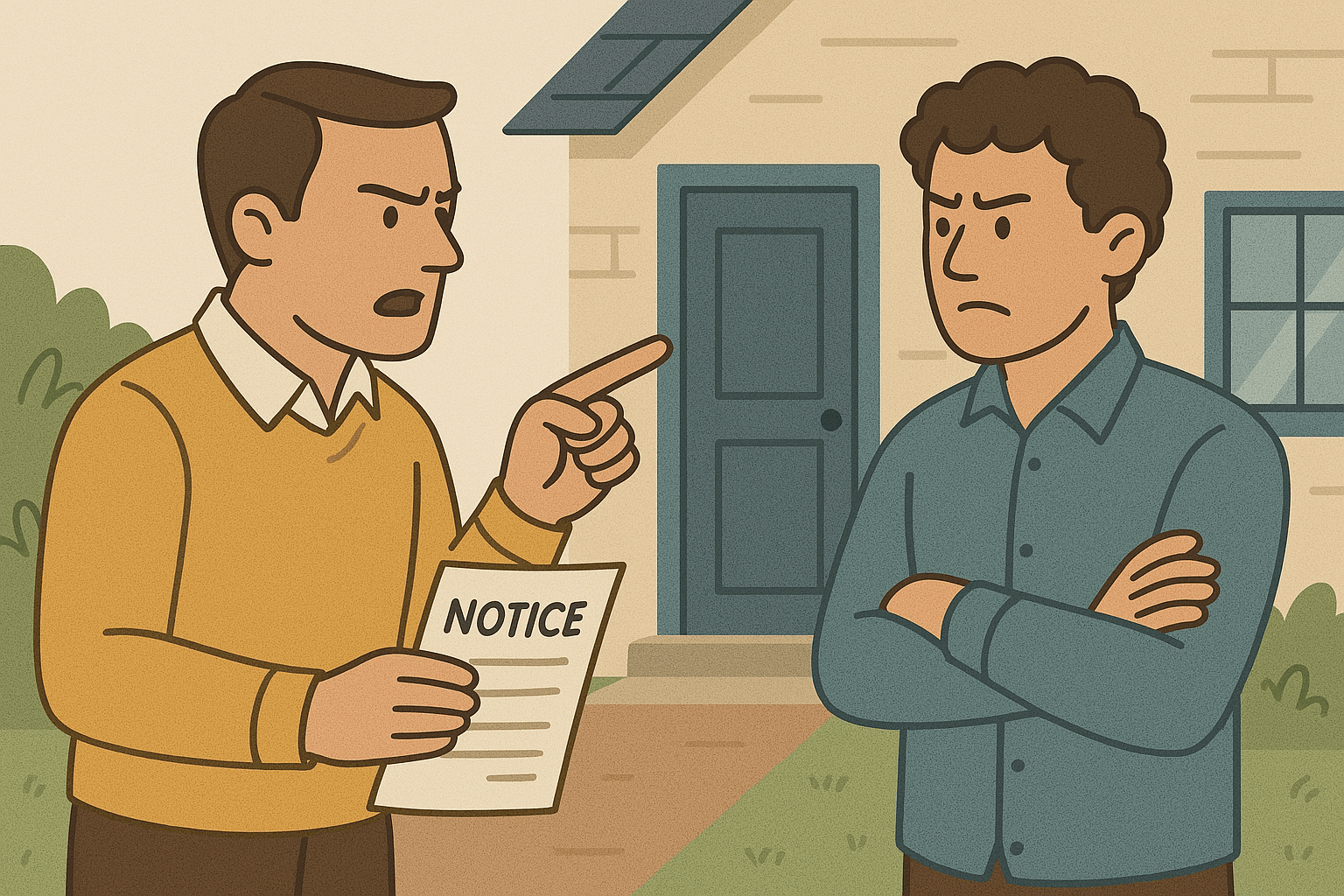
Landlord and Tenant Board Representation in Ontario
Residential tenancy disputes in Ontario are governed by the Residential Tenancies Act, 2006 and decided by the Landlord and Tenant Board (LTB). We represent both landlords and tenants across the Greater Toronto Area in matters including rent arrears and eviction applications, landlord's-own-use (N12) disputes, maintenance and repair complaints, illegal entry and harassment claims, and compensation claims after a tenancy ends.
Representation before the LTB is squarely within the scope of an Ontario licensed paralegal, and our team appears regularly at LTB hearings, which are now held primarily by video. We serve clients in English, Cantonese, Mandarin, and Korean — particularly valuable for small landlords and tenants in Markham, Richmond Hill, Scarborough, and North York.
LTB procedure is technical: the wrong notice form, an error in dates, or a missed step can set a case back months. Getting the paperwork right the first time is usually the fastest and cheapest path to a resolution.
CourthousesHow LTB Cases Work in Ontario
Most landlord applications start with a notice to the tenant — for example, an N4 for non-payment of rent (which gives the tenant 14 days to pay before an application can be filed), an N5 for interference or damage, or an N12 where the landlord or a close family member genuinely intends to move in. Each notice has strict content and timing requirements, and a defective notice is a common reason applications fail.
Tenants have their own applications, including the T2 (tenant rights — illegal entry, harassment, withholding vital services) and the T6 (maintenance and repair). Remedies can include rent abatements, repair orders, and compensation.
Only the LTB can end a residential tenancy, and only the Court Enforcement Office (sheriff) can physically enforce an eviction order. Changing the locks or removing a tenant without an order is illegal and exposes a landlord to significant liability.
Most rented units are subject to Ontario's annual rent increase guideline, with at least 90 days' written notice (Form N1) and no more than one increase every 12 months. Units first occupied for residential use after November 15, 2018 are exempt from the guideline. The LTB can also award monetary compensation within the Small Claims Court monetary limit of $50,000.
Our Process
Situation Assessment
We review lease agreements, correspondence, and other relevant documents to understand the full scope of the dispute.
Resolution Strategy
We develop a plan to resolve the dispute through negotiation, mediation, or formal legal proceedings if necessary.
Representation
We represent clients before the Ontario Landlord and Tenant Board (LTB) and other forums to help achieve a favorable resolution.
Frequently Asked Questions
How long does an LTB eviction take?
It varies with the application type and the Board's caseload. Between the notice period, scheduling of the hearing, the order, and sheriff enforcement, a contested non-payment eviction commonly takes several months from start to finish. Properly prepared paperwork avoids adjournments and re-filing, which are the most common causes of delay.
Can my landlord evict me to move in themselves?
Only with a valid N12 notice given in good faith, at least 60 days' notice to the end of a rental period, and one month's rent compensation (or an acceptable alternative unit). The landlord or qualifying family member must genuinely intend to live in the unit for at least one year. Bad-faith N12 evictions can result in substantial awards against the landlord.
What can I do if my landlord will not make repairs?
Document the problem, give the landlord written notice, and if the issue persists file a T6 maintenance application with the LTB. The Board can order repairs, rent abatements, and compensation. Withholding rent on your own is risky — it can expose you to an arrears eviction.
Can a landlord raise the rent as much as they want?
For most units, no — increases are capped by Ontario's annual rent increase guideline and require 90 days' written notice, with at most one increase per 12 months. Units first occupied after November 15, 2018 are exempt from the guideline cap. An above-guideline increase otherwise requires LTB approval.
Do I need a lawyer for the LTB?
No — licensed paralegals are fully authorized to represent landlords and tenants before the Landlord and Tenant Board, and this is one of our core practice areas. Professional representation is usually far less costly than losing a hearing over a technical defect.
Ready to Get Started?
Contact us today to schedule a confidential consultation with our experienced legal team. We're here to help you navigate your legal challenges.